Here is a detailed breakdown of essential office furniture components, ergonomics, and structural design factors to consider when outfitting a workspace.
Core Office Furniture Categories
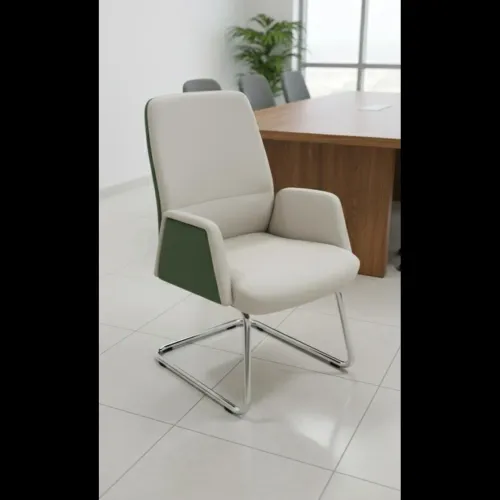
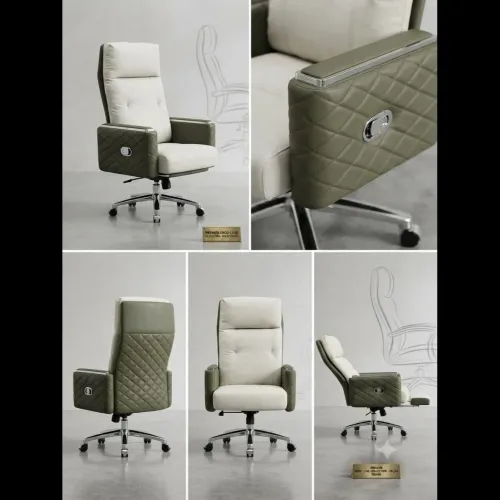
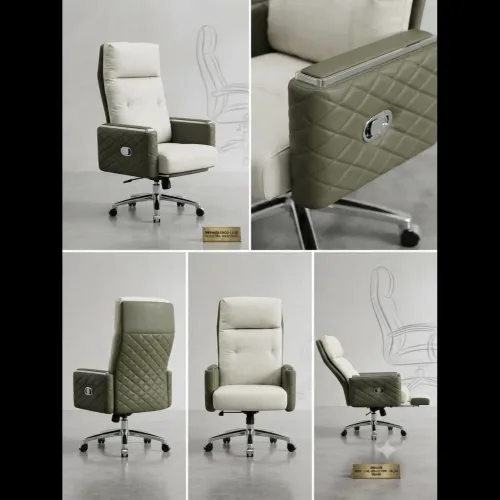
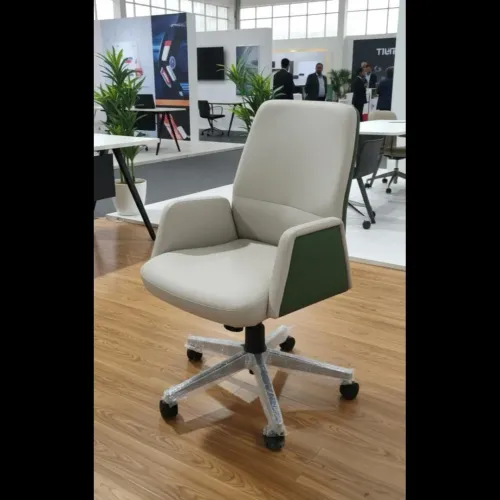
Task & Ergonomic Seating: High-back chairs designed for long working hours. They feature synchronous tilt mechanisms, adjustable 3D/4D armrests, pneumatic seat height adjusters, and active lumbar support to reduce spinal strain.
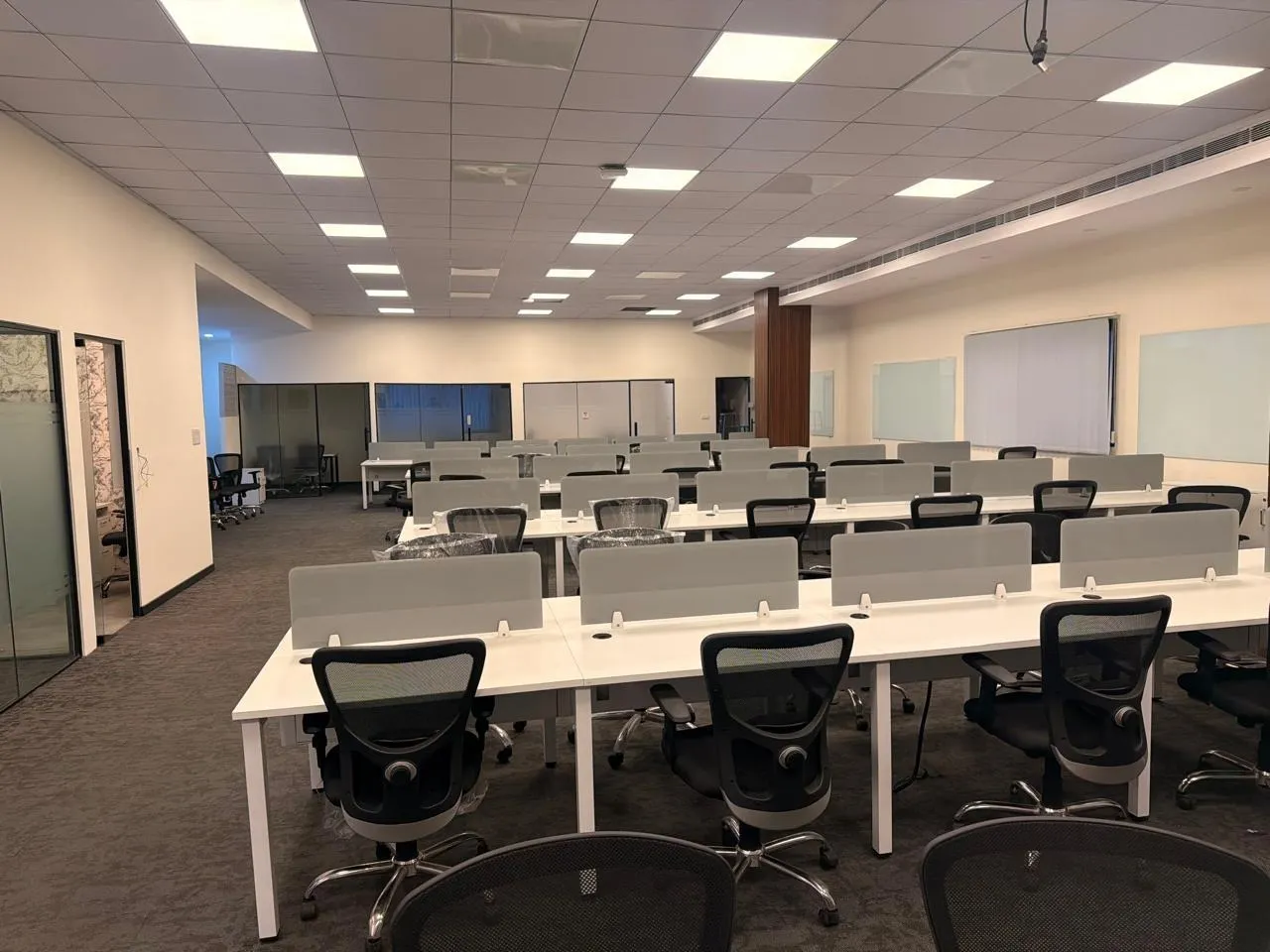
Modular Team Workstations: Linear or cluster desking systems (such as 4-way or 6-way configurations). They include built-in cable management trays, privacy partition screens (fabric or acrylic), and under-desk mobile pedestals for storage.
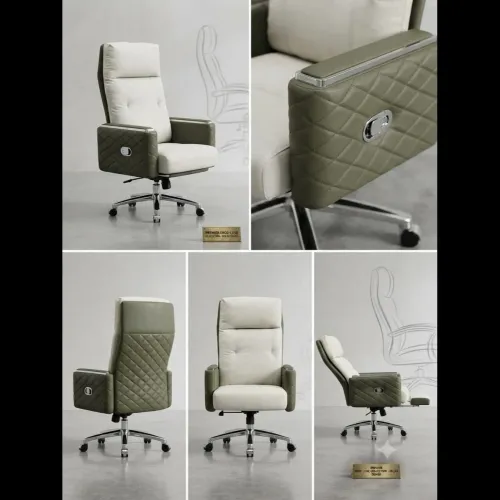
Executive Suites: Premium L-shaped or freestanding desks made from high-density engineered wood, veneer, or glass panels. These are typically paired with matching credenzas and leatherette executive chairs for leadership offices.
Conference & Meeting Tables: Large-format modular tables ranging from 6-seater to 20+ seater sizes. They are integrated with pop-up media boxes, HDMI/Data ports, and wire-management raceways for clean presentation setups
Collaborative & Lounge Furniture: Breakout soft seating, acoustic high-back sofas, and modular poufs. These are used to create informal meeting areas, reception zones, and cafeteria seating layouts.
Key Structural Material Standards
Worksurfaces: Commercial-grade, scratch-resistant Melamine Faced Chipboard (MFC) or Medium Density Fiberboard (MDF) with 2mm PVC edge-banding to prevent moisture ingress.
Understructure / Frames: Heavy-duty, powder-coated steel loop legs, triangle legs, or A-frame legs. Frame gauges typically range from 1.2mm to 1.6mm for maximum structural stability.
Seating Framework: High-tensile nylon mesh for breathability, paired with high-density molded foam (minimum 40 to 50 kg/m³ density) to ensure the seat cushion retains its shape over years of use.
Essential Workplace Elements
Linear Task Desks: Clean rectangular workstations maximize floor space. They utilize shared central legs to reduce structural clutter
Ergonomic Mesh Chairs: High-tensile mesh backrests allow continuous airflow. They feature pneumatic gas lifts and adjustable lumbar pads.
Executive Desk Suites: Large-scale L-shaped desks feature premium wood veneer. They include attached side credenzas for leadership cabins
Boardroom Media Tables: Large-format tables integrate built-in flip-top boxes. They route HDMI, power, and data cables internally.
Mobile Storage Pedestals: Compact three-drawer under-desk cabinets handle personal filing. They feature central locking mechanisms and anti-tilt wheels
Acoustic Privacy Screens: Desk-mounted fabric or felt dividers dampen sound. They provide visual privacy between facing team members
Breakout Lounge Poufs: Modular geometric soft seating configures easily. They create flexible spaces for informal team collaboration
Critical Procurement Guidelines
Verify Foam Density: Ensure task seat cushions use molded PU foam. Insist on a minimum density of 50 kg/m³ to avoid sagging.
Check Edge Banding: Confirm all desk surfaces feature 2 mm thick PVC edge banding. Machine-glued edges prevent moisture damage and peeling.
Inspect Steel Gauges: Look for powder-coated steel legs with a minimum 1.2 mm thickness. Thinner metal frames will wobble under heavy monitor loads.
Match BIFMA Standards: Prioritize chairs and gas lifts certified by BIFMA. This ensures the hardware survives 100, 000+ continuous tilt cycles
To help you generate specific documentation or project checklists, let me know:
If you need a comprehensive Technical Specification Sheet for a corporate tender or vendor bidding.
If you want a complete Bill of Quantities (BOQ) Template to calculate total project furniture costs.
The specific industry type (e.g., fast-paced IT call center, corporate law firm, creative design agency) to align the design tone
Core Office Furniture Categories
Task & Ergonomic Seating: High-back chairs designed for long working hours. They feature synchronous tilt mechanisms, adjustable 3D/4D armrests, pneumatic seat height adjusters, and active lumbar support to reduce spinal strain.
Modular Team Workstations: Linear or cluster desking systems (such as 4-way or 6-way configurations). They include built-in cable management trays, privacy partition screens (fabric or acrylic), and under-desk mobile pedestals for storage.
Executive Suites: Premium L-shaped or freestanding desks made from high-density engineered wood, veneer, or glass panels. These are typically paired with matching credenzas and leatherette executive chairs for leadership offices.
Conference & Meeting Tables: Large-format modular tables ranging from 6-seater to 20+ seater sizes. They are integrated with pop-up media boxes, HDMI/Data ports, and wire-management raceways for clean presentation setups
Collaborative & Lounge Furniture: Breakout soft seating, acoustic high-back sofas, and modular poufs. These are used to create informal meeting areas, reception zones, and cafeteria seating layouts.
Key Structural Material Standards
Worksurfaces: Commercial-grade, scratch-resistant Melamine Faced Chipboard (MFC) or Medium Density Fiberboard (MDF) with 2mm PVC edge-banding to prevent moisture ingress.
Understructure / Frames: Heavy-duty, powder-coated steel loop legs, triangle legs, or A-frame legs. Frame gauges typically range from 1.2mm to 1.6mm for maximum structural stability.
Seating Framework: High-tensile nylon mesh for breathability, paired with high-density molded foam (minimum 40 to 50 kg/m³ density) to ensure the seat cushion retains its shape over years of use.
Essential Workplace Elements
Linear Task Desks: Clean rectangular workstations maximize floor space. They utilize shared central legs to reduce structural clutter
Ergonomic Mesh Chairs: High-tensile mesh backrests allow continuous airflow. They feature pneumatic gas lifts and adjustable lumbar pads.
Executive Desk Suites: Large-scale L-shaped desks feature premium wood veneer. They include attached side credenzas for leadership cabins
Boardroom Media Tables: Large-format tables integrate built-in flip-top boxes. They route HDMI, power, and data cables internally.
Mobile Storage Pedestals: Compact three-drawer under-desk cabinets handle personal filing. They feature central locking mechanisms and anti-tilt wheels
Acoustic Privacy Screens: Desk-mounted fabric or felt dividers dampen sound. They provide visual privacy between facing team members
Breakout Lounge Poufs: Modular geometric soft seating configures easily. They create flexible spaces for informal team collaboration
Critical Procurement Guidelines
Verify Foam Density: Ensure task seat cushions use molded PU foam. Insist on a minimum density of 50 kg/m³ to avoid sagging.
Check Edge Banding: Confirm all desk surfaces feature 2 mm thick PVC edge banding. Machine-glued edges prevent moisture damage and peeling.
Inspect Steel Gauges: Look for powder-coated steel legs with a minimum 1.2 mm thickness. Thinner metal frames will wobble under heavy monitor loads.
Match BIFMA Standards: Prioritize chairs and gas lifts certified by BIFMA. This ensures the hardware survives 100, 000+ continuous tilt cycles
To help you generate specific documentation or project checklists, let me know:
If you need a comprehensive Technical Specification Sheet for a corporate tender or vendor bidding.
If you want a complete Bill of Quantities (BOQ) Template to calculate total project furniture costs.
The specific industry type (e.g., fast-paced IT call center, corporate law firm, creative design agency) to align the design tone
Keywords